Get home safe bag why do I need one?
Why You Should Have a “Get Home Safe” Bag (Especially When Things Go Wrong)
Most people prepare their homes for emergencies—but what about when you’re not at home?
A “Get Home Safe” bag is exactly what it sounds like: a compact, practical kit designed to help you safely make your way back to your home and family if something unexpected happens while you’re at work, on the road, or out running errands.
Whether it’s a natural disaster, power outage, major accident, or just being stranded without resources, having this bag can turn a stressful situation into a manageable one.
When Would You Actually Need It?
Life doesn’t always give warnings. Situations where a get-home bag becomes essential include:
- Severe weather events or floods
- Bushfires cutting off roads
- Power grid failures
- Car breakdowns in remote areas
- Public transport shutdowns
- Unexpected overnight delays at work
In these moments, your priority becomes simple: get home safely.
Why It Matters
Being stuck without supplies—even for a few hours—can quickly escalate. Hunger, dehydration, exposure to weather, or minor injuries can all become serious problems.
A well-prepared bag gives you:
- Independence – you’re not relying on help arriving quickly
- Confidence – you know you can handle unexpected delays
- Safety – you’re equipped to deal with minor emergencies
- Peace of mind – especially knowing you can get back to your family
What Should Be in a Get Home Safe Bag?
Your list is actually a great, practical setup. Here’s why each category matters:
🥤 Food & Hydration
- Protein bars – lightweight, high energy, long shelf life
- Ration pack (coffee, milk powder, sugar) – morale matters; a hot drink can reduce stress
- Powdered eggs & salt – extra nutrition if you’re stuck longer
- Bottled water – absolutely critical for survival and clear thinking
Even a small amount of food and water can keep you going long enough to get home safely.
🩹 First Aid & Basic Survival
- First aid kit – treat cuts, blisters, or minor injuries on the move
- Multitool – one of the most useful items you can carry
- Duct tape & cord (10m) – quick repairs, shelter, securing gear
These items help you handle small problems before they become big ones.
🔥 Warmth, Light & Shelter
- 40-hour candle & matches – heat, light, and comfort
- Torch – essential if you’re travelling at night or in blackout conditions
- Emergency blanket – reflects body heat, can prevent hypothermia
- Poncho – protection from rain and wind
Exposure is one of the fastest ways a situation can become dangerous—these items keep you protected.
🚨 Safety & Signalling
- Emergency whistle – easier and safer than shouting for help
- Torch (again) – also useful for signalling
If something goes wrong, being able to attract attention can be life-saving.
🍴 Practical Everyday Use
- Stainless steel cup & cutlery set – for heating food, making drinks, or eating properly
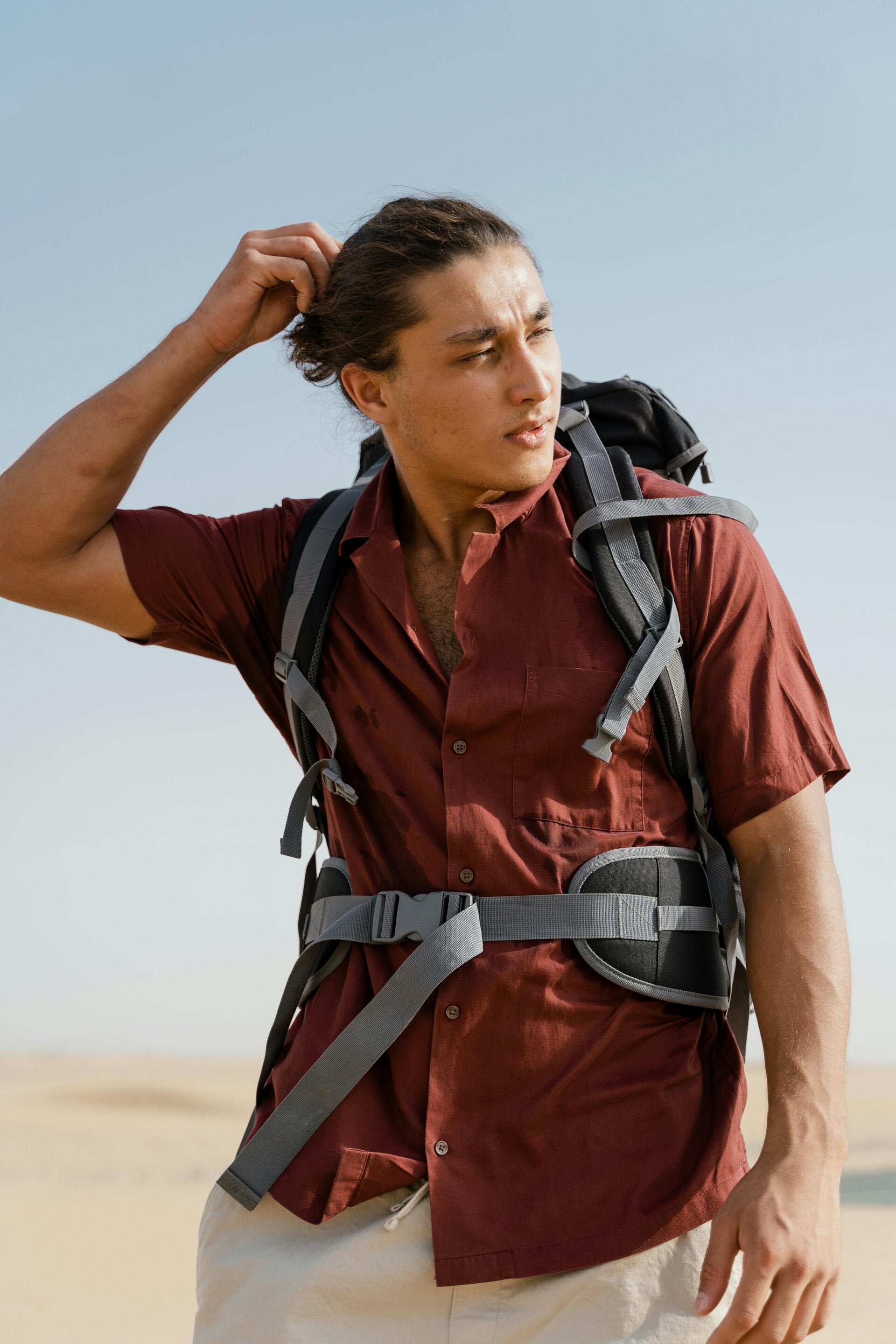
- Backpack – keeps everything portable and ready to grab
Car vs Office: Where Should You Keep It?
Ideally—both.
- In your car: Perfect for breakdowns, road closures, or long-distance travel
- At the office: Critical if you need to leave on foot or can’t access your vehicle
If you commute, you’re spending a large chunk of your day away from home. That’s exactly when you’re most vulnerable.
It’s Not About Fear—It’s About Being Ready
A get-home bag isn’t about expecting the worst—it’s about not being caught off guard.
You don’t need extreme survival skills. You just need a small amount of planning and the right gear.
Because when something does happen, the goal is simple:
👉 Stay safe
👉 Stay calm
👉 Get home
Final Thought
Most emergencies don’t last forever—but the first few hours matter the most.
Having a Get Home Safe bag means you’re not just hoping everything will be okay—you’re prepared to make it okay.
And at the end of the day, there’s nothing more important than getting back to the people who matter most.
Welcome to the Prep for Survival Australia blog! Here, we're all about sharing serious knowledge with a bit of Aussie fun. Explore our articles and gear up for anything!

Bug out bags: Your lifeline
G'day, preppers! Let's talk bug-out bags. Whether you're facing a bushfire, flood, or something else entirely, a well-prepared bug-out bag can be your lifeline. We’ll guide you through packing the essentials, from water and food to first aid and navigation tools. Stay tuned for practical tips and expert advice to ensure you're ready to grab and go!
ok so let's talk about our bug out bag or go bag. This is a bag that you grab and go in an emergency situation when staying at home just is not an option. This needs to be a good quality back pack that should be able to completely sustain you for at least 72 hours. It's my personal belief that each member of the family, including the kids should have their own bug out bag and be responsible for that bag.
Here is a list of what's in our bug out bags.
Raincoat thermal and preferably green or black with a silver lining so you have choice of camouflage or hi visibility
bivy emergency sleeping bag
Water straw or two
Lighter
Fire starter
Matches water proof preferably
Food several meals and snacks at least enough food to survive minimum 3 days.
First aid kit and any medications each individual might require. Also good to have your basic pain relief medication in here too.
Thermal blanket
Fishing set
Tree saw
Can opener
Torch
Socks x3
undies x 3
change of clothes
jumper
Multivitamins
Notebook
Pen
Knife
Multitool
Cutlery
Wet wipes to save water but stay clean
Zip lock bags these have many uses even catching condensation off leaves so throw in a couple
Zip ties
Cord
Tarp
Emergency whistle
Glow sticks
Gloves
Hand sanitizer
Bar of soap
Tooth brush
Tooth paste
Water
Small bottle of alcohol for disinfectant, nerve calming or bartering
cash
ID and important documents such as copies of birth certificates
Brush
Compass
Scissors
Sewing kit
Cooking candle
Steel cup
Pack of cards
Coffee /tea
face masks
small solar panel for charging phones
hand crank emergency radio
For woman I would add packet of pads
For kids I would add small colouring in book with pencils and a small cuddly toy ( for comfort)
a couple of fidget toys or small toy that suits their age and likes also wouldn't hurt just to keep the kids calm and distracted.
Obviously if your kids are still in nappies you would add nappies and formula if that's what your babies main source of nutrition is.
every persons bug out bag is going to be slightly different but here at prep for survival Australia we sell bug out kits that you can add your own personal items to.
I have also squeezed in a book or 2. That might be your favourite book on prepping or herbal medicine or just a trashy novel it's your bug out bag so personalise it to what you need for your physical survival and mental well being.
Aussie Prepper Insights
We pride ourselves on adaptability and commitment to excellence in every aspect of our service. Explore what we have to offer and how we can contribute to your success.

Serious but fun survival tips
We pride ourselves on adaptability and commitment to excellence in every aspect of our service. Explore what we have to offer and how we can contribute to your success.
Explore our store
Ready to take your prepping to the next level? Check out our wide selection of survival gear, from bug-out bags and emergency rations to first aid kits and navigation tools. We've got everything you need to stay prepared, no matter what comes your way.